
Most homes are introduced to us on one carefully chosen day. The rooms are bright, the yard is tidy, and the weather cooperates. It is easy to imagine life there when everything is presented at its best.
A home, however, is not lived in during one perfect afternoon. It is lived in through muddy springs, open-window summers, dark November evenings, and mornings when fresh snow has covered the driveway.
The seasons teach us that a good home is more than an attractive collection of rooms. It is a place that adjusts with us; offering light when the days are short, shade when the weather turns hot, room for wet boots by the door, and spaces that remain useful as routines change.
A Home Has More Than One First Impression
The time of year can influence what we notice during a showing.
In summer, attention may naturally drift toward the yard, deck, garden, or view. During colder months, natural light, heating, storage, and the distance between the driveway and the front door may stand out more clearly.
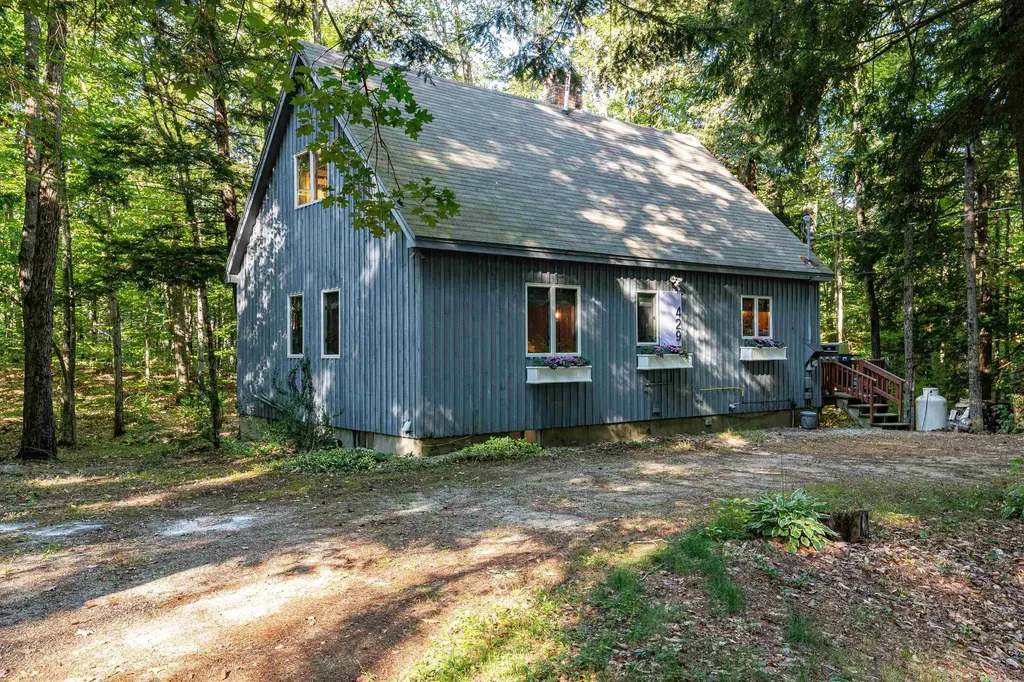
Neither impression tells the entire story. A beautiful yard may require more upkeep than expected. A room that feels dark in winter may become filled with light during the summer. Trees that provide privacy in July may reveal a wider view, or nearby properties, after their leaves fall.
Looking at a home with the full year in mind adds another layer to the decision. It encourages buyers to consider not only how the property appears today, but how it may feel and function months from now.
The Smallest Spaces Often Work the Hardest
Some of the most useful parts of a home are easy to overlook.
An entryway may only take up a few square feet, but it becomes the landing place for shoes, jackets, umbrellas, backpacks, and outdoor equipment. A covered porch can make arriving home easier during rain or snow. A well-placed closet may prevent seasonal gear from spreading throughout the house.
Mudrooms, garages, basements, pantries, and utility areas may not create the strongest first impression, but they often carry much of the work behind daily life. Their value becomes clearer as weather, clothing, and household routines change.
A home does not need every possible feature. What matters is whether the available spaces support the way the people living there expect to use them.
Light Becomes Part of the Floor Plan
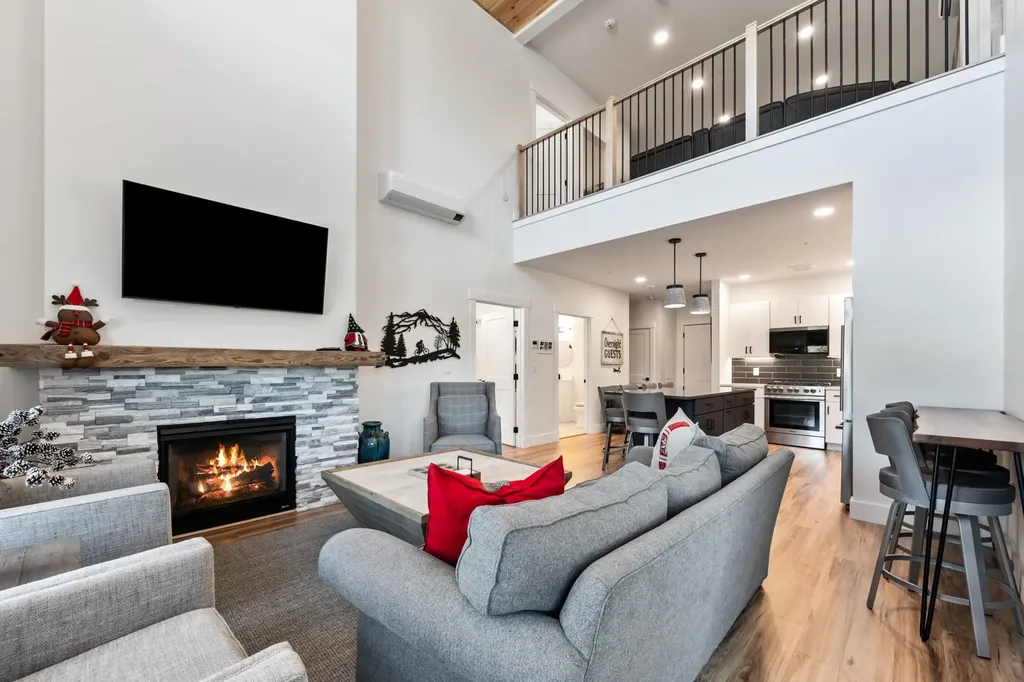
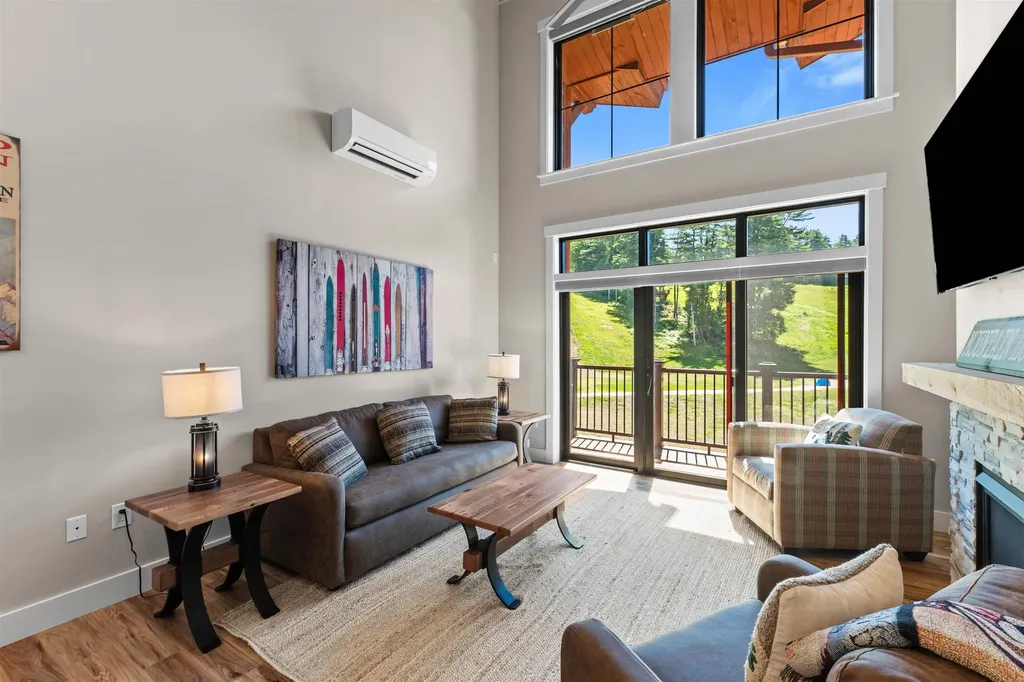
Natural light changes throughout the year. The sun sits lower during winter, reaches rooms from different angles, and may pass through trees that blocked it during summer.
These changes can affect more than appearance. They influence which rooms feel inviting in the morning, where plants thrive, when interior lights are needed, and how warm or cool certain spaces may feel.
When viewing a home, notice the direction of the windows and ask how the light moves throughout the day. Photographs taken during another season may also provide a broader picture of the property.
The view from a window matters, but so does what the window brings into the room.
The Property Begins Before the Front Door
The land around a home influences life inside it.
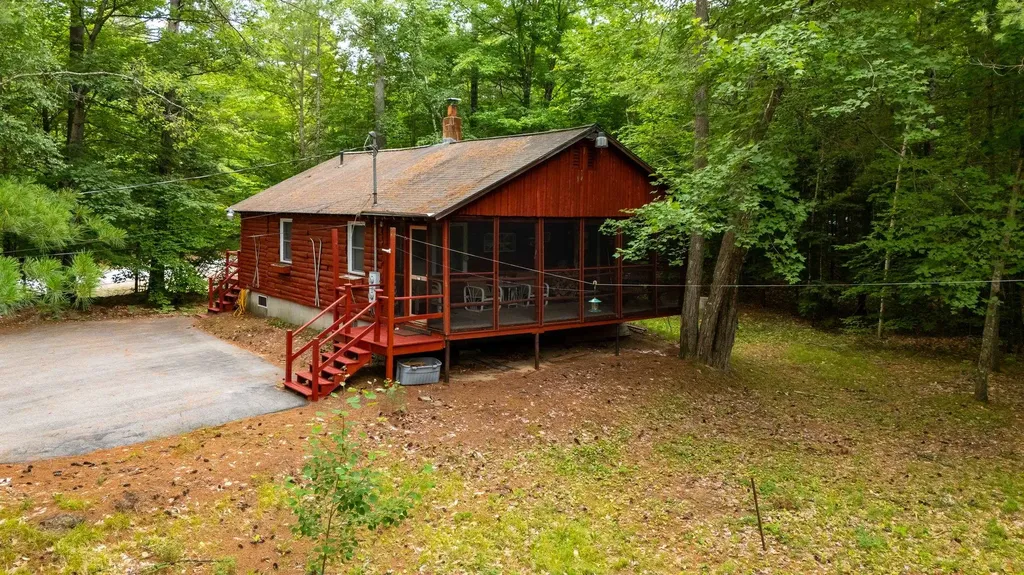
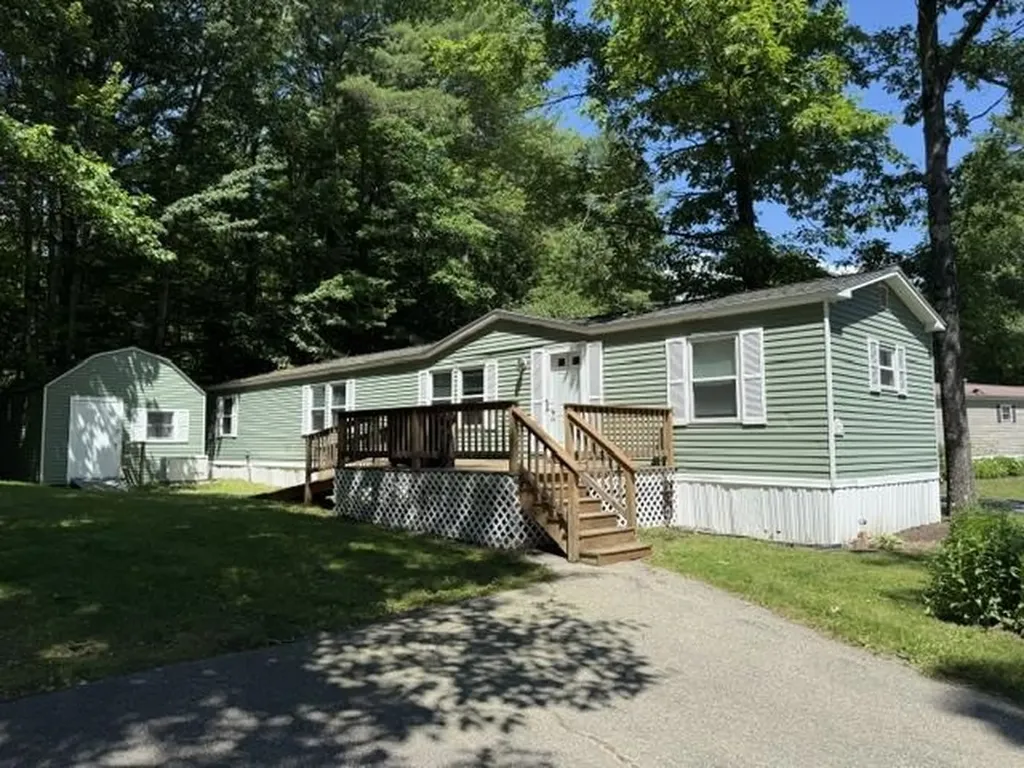
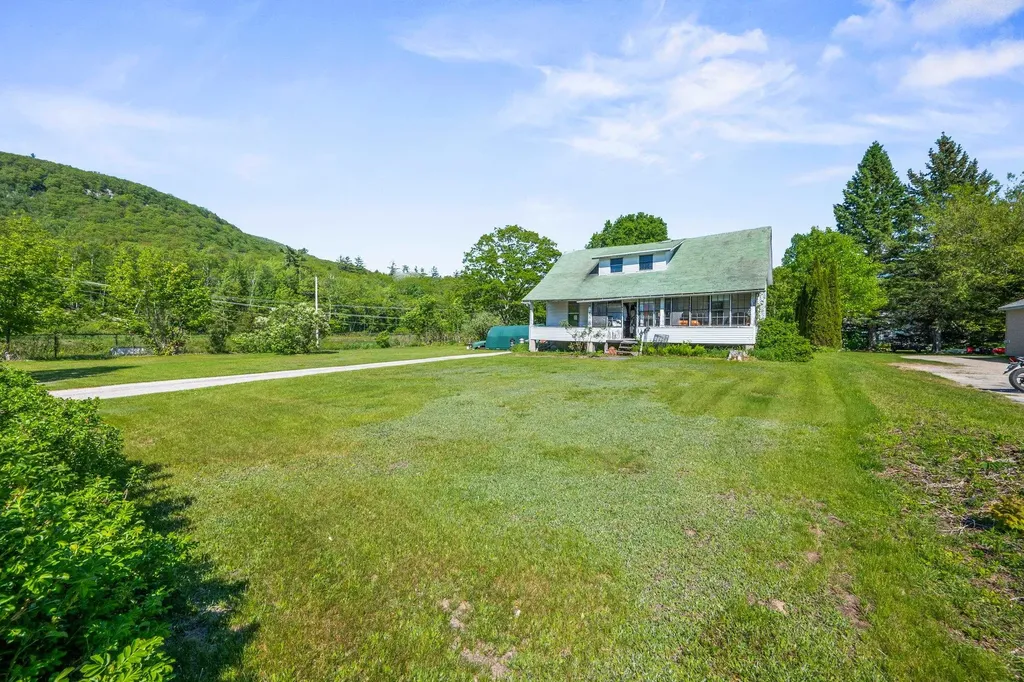
Driveway access, drainage, trees, walkways, outdoor storage, and the distance from parking to the entrance can all become more noticeable as conditions change. A deck may create another living area during warm weather, while a sheltered entrance may become more valuable during rain, ice, or snow.
For some properties, road maintenance, snow removal, shoreline conditions, or seasonal access may also deserve closer review. These questions are especially important when considering rural, mountain, waterfront, or seasonal homes.
A professional inspection and the appropriate public records or qualified specialists can help buyers evaluate property-specific systems and conditions.
Home Is Also Built Through Repetition
The practical lessons are only part of what the seasons reveal.
Over time, a home becomes connected to repeated moments: the first meal outside in spring, a summer evening on the porch, sunlight crossing the kitchen differently in October, or everyone gathering in the same warm room during a storm.
These moments are rarely listed among a property’s features, yet they often become the parts people remember most. The changing year gives rooms new purposes and turns ordinary routines into personal traditions.
That is why the right home cannot always be reduced to square footage, finishes, or a checklist.
Its meaning develops gradually through the life lived there.
Questions Worth Carrying Into a Showing
When considering a home, it may help to ask:
Where will coats, wet shoes, and outdoor equipment go?
How does natural light move through the main living spaces?
Which outdoor areas are usable, and during which parts of the year?
How are the driveway and surrounding roads maintained during winter?
Are there trees, views, or nearby properties that may look different after leaves fall?
Which systems or exterior features require seasonal maintenance?
Does the home offer comfortable places to gather as well as places to spend time alone?
Can the available storage support changing clothing, equipment, and household needs?
The answers will differ from one property and buyer to another. Their purpose is not to uncover a perfect home, but to create a clearer picture of how life there may unfold.
Let the Full Year Tell the Story
A home that works year-round does not need to perform every role equally well. It simply needs to support the routines, priorities, and moments that matter to the people living there.
The seasons help us look past a single first impression. They reveal how a home handles change and how, over time, that home may become part of the way we experience the year itself.
Coldwell Banker Lifestyles real estate professionals can help buyers look beyond the day of the showing and explore the homes, settings, and property details that may support the life they want to build.

About Coldwell Banker Lifestyles
For more than 10 years, Coldwell Banker Lifestyles has been helping buyers and sellers throughout New Hampshire, Vermont and Western Maine find the right path forward in real estate. With approximately 150 sales professionals across 10 offices in New Hampshire and Vermont, our team combines deep local knowledge with the strength and reach of the Coldwell Banker brand. The company is consistently recognized among the top real estate firms in New Hampshire and is a member of the prestigious Coldwell Banker Chairman’s Circle, placing Coldwell Banker Lifestyles among the top-performing affiliated companies in the world.









.png)


Connect